




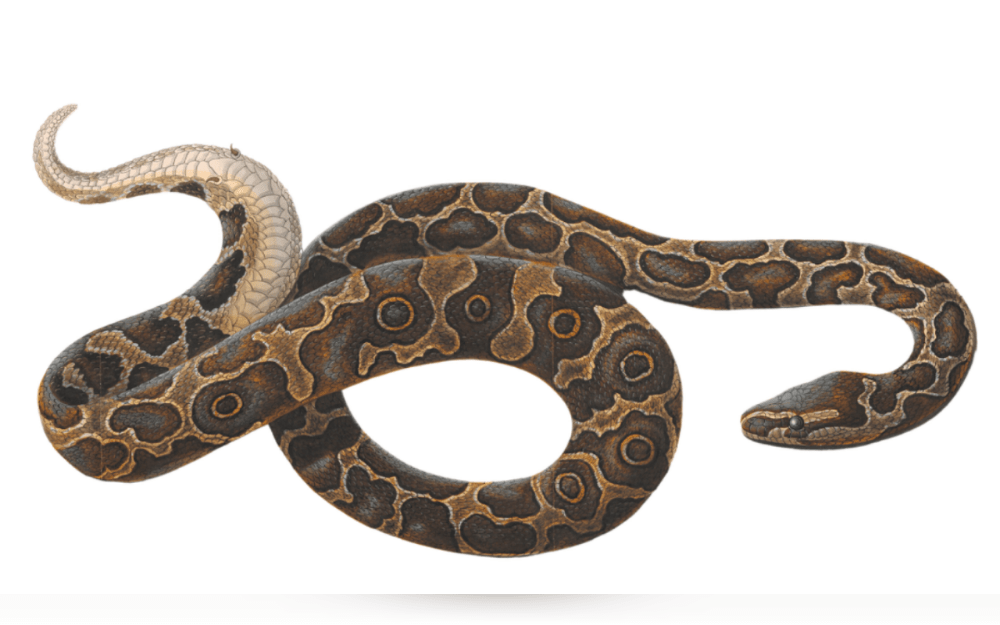
If given the right care, snakes can make wonderful pets.Some snake species might be ideal for beginners like Rough Green Snake, Ringneck Snake, Boa Constrictor, Rosy Boa, Ball Python, Pygmy Python, corn snake, milk snake, Carpet pythons,California King Snake, Western Hognose Snake.
Snakes eat foods like frozen rodents. While smaller snakes may survive on large insects, the most eat rats or mice.They need extremely particular vivarium conditions.
The size of your adult snake should be taken into account while selecting a terrarium. The length and weight of the pet snake determine how big the cage needs to be.Longer snakes need a much bigger cage. Comfortable substrate choices include bark mulch, dry leaves, rolled corrugated cardboard, sand, snake logs, rocks, and branches.
According to experts, the ideal basking temperature for most snakes is between 29 to 32 celsius (85 and 90°F), with a colder side of 23 celsius (75°F).
To maintain the proper temperature range, which varies based on the species, heating pads or bulbs are needed for snake enclosures. But they don’t need UVA or UVB. Your pet snake needs access to clean, fresh water in a shallow bowl big enough to soak.They also need hiding places in the enclosure.Snakes can live 25 to 50 years in captivity so it’s a longtime commitment.
Always handle your pet snake carefully to avoid injury, and keep an eye out for any symptoms of sickness, such as respiratory problems, unusual lethargy, or refusal to eat.