




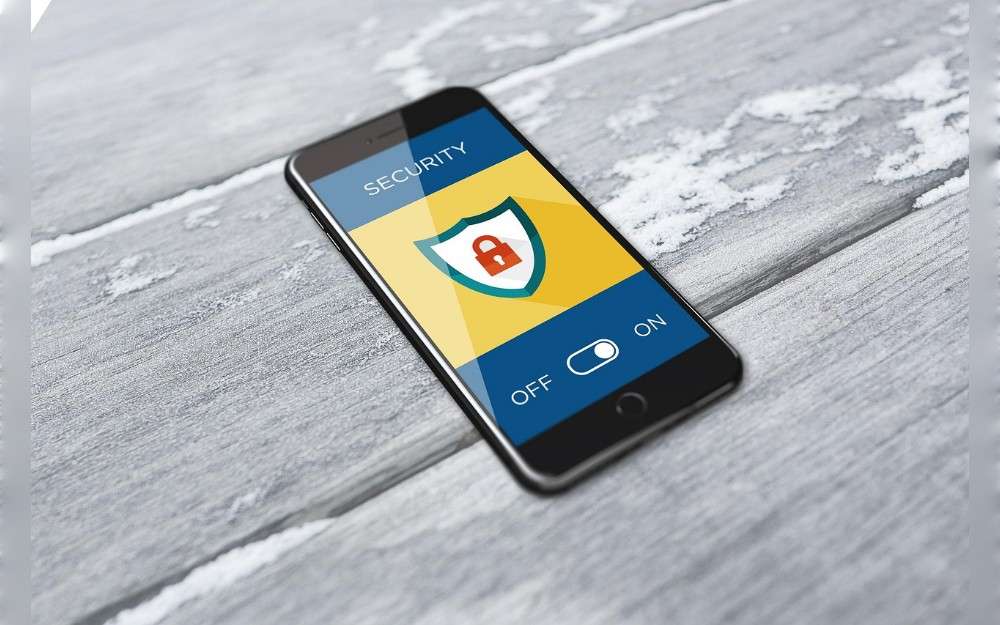

The technologies and procedures used to shield a system’s or device’s physical components against tampering, illegal access, and other harmful actions are referred to as hardware security.
According to experts,using a Zero Trust model paired with hardware security reduces risk. By default, neither a user nor a device is trusted by the system in this model. Rather, it verifies each access request based on context, behavior, and identity. Sensitive data can only be accessed by verified persons and devices thanks to this method.
At the hardware, operating system, user, and network levels, Android mobile phones features advanced security mechanisms. Making sure your device has a screen lock and that you only install apps from reliable sources are two more ways you can help keep it safe.
Hardware tokens, also known as hard security keys, are hardware devices that carry out 2FA or MFA requests using encryption methods, one-time passwords (OTP), time-based one-time passwords (TOTP), authentication codes, biometrics, or a secure PIN.
During the authentication procedure, the user enters one-time passwords (OTPs) or time-based one-time passwords (TOTPs) that are often generated by hardware security tokens. Key fobs, USB tokens, and wireless Bluetooth tokens are examples of common hardware tokens.
New authentication codes are generated by Time-Based Tokens (TOTP) at regular intervals. To accept the generated code, the token and the server must be time-synchronized.
A fresh code is generated by Event-Based Tokens (HOTP) each time the user presses a button or performs another action. It is connected to the authentication server through a counter.
When USB Tokens are placed straight into a device’s USB port, they automatically transmit authentication credentials. often used for password-free login.
Challenge Responde Authentication is a security process in which a challenge presented by one party, and in order to be authenticated, the other side must give a correct response. This technique improves security by limiting unwanted access and is frequently used to confirm identities in secure communications, such as digital signatures or login procedures.