





Gir National Park is in the Indian state of Gujarat, near the coast of India’s far west-central region. A total of 545 square miles of national park land is protected (1,412 sq km). Sasan Gir is another name for the region.
The national park is a wildlife refuge dedicated to protecting the Asiatic lion population, which has been on the rise in recent years. Teak is interspersed in the park’s dry deciduous forest. The park is a hilly, dry scrubland landscape in its entirety.
The park features seven perennial rivers and four dams that have produced four reservoirs. These water bodies have some of the best wildlife viewing points.Datardi, Godavari, Hiran, Machhundri, Raval, Shetrunji, and Shingoda are the names of the seven rivers. The dams are located on the rivers Hiran, Machhundri, Raval, and Shingoda.
Animals found in the park include the Asiatic lion, Indian leopard, jungle cat, hyena, Desert cat, honey badger, and mongoose.
Tourist can encounter Blackbucks, boars, chinkaras, chitals, four-horned antelopes, nilgals, porcupines, rabbits, sambars Crocodiles, Indian cobras, monitor lizards, and tortoises are just a few examples of common reptiles.
The Sasan-Gir national park was established in 1965 with the aim of protecting and increasing the lion population, which had plummeted to only a few hundred in the early twentieth century. The lion population has steadily grown since the park’s inception; today, there are about 350 of these magnificent cats.
There are approximately 38 species of mammals, 300 species of birds, 37 species of reptiles, and over 2,000 species of insects in the park.

UN Permanent Representative of Iran Briefs Press

Malaysian Man Holds Record for Having Most Teeth in His Mouth

Identify the Dog Breed

Fileless Malware

UN Security Council Meets on Energy, Critical Minerals, and Security

Just Before it Collapses, New Jersey Police Rescue Dog from Burning House
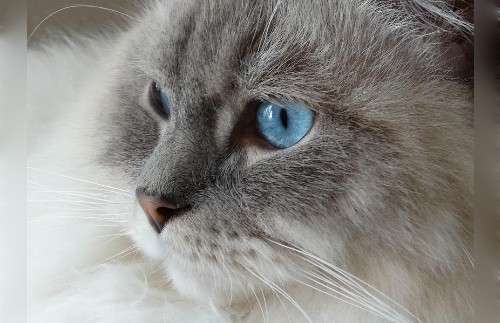
Ragdoll Cats