




“As breakthroughs in digital technology continue to alter human existence, we must be vigilant in our awareness of malicious use of such technologies that could jeopardise the security of future generations,” UN High Representative for Disarmament Affairs Izumi Nakamitsu said.
Nakamitsu said today (29 June) during a virtual Security Council meeting on cybersecurity that there are about 4.6 billion active internet users worldwide as of January this year, with an expected 28.5 billion
networked devices connected to the internet by 2022.
Separate high-profile ransomware incidents in the United States disrupted JBS, a major food processing industry, and Colonial Pipeline, a corporation that supplies fuel to much of our East Coast, according to United States ambassador Linda Thomas-Greenfield. These occurrences, she said, highlight the grave and unacceptably high risk of cybercrime to vital infrastructure.
A new cycle of technology upheaval and economic transformation is underway, according to Chinese envoy Zhang Jun. Meanwhile, he claims that cyber surveillance, attacks, crimes, and terrorism have become worldwide public threats, and that cyberspace is becoming military and political.
The Group of Government Experts (GGEs) and the Open-Ended Working Group (OEWG), both operating under the auspices of the General Assembly, were able to agree on their outcome reports by consensus, according to Russian envoy Vasily Nebenzia. He stated that this highlighted the international community’s ability to establish consensus on important issues when conversation is realistic, depoliticized, and productive.
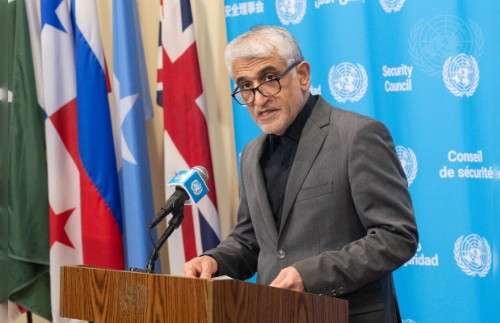
UN Permanent Representative of Iran Briefs Press

Malaysian Man Holds Record for Having Most Teeth in His Mouth

Identify the Dog Breed

Fileless Malware

UN Security Council Meets on Energy, Critical Minerals, and Security

Just Before it Collapses, New Jersey Police Rescue Dog from Burning House

Ragdoll Cats