




The global market for exotic pets is expected to increase at a compound annual growth rate (CAGR) of 7.3% from 2025 to 2030, from an estimated USD 1,652.7 million in 2024 to USD 2,489.0 million.With a revenue share of 50.27% in 2024, North America dominated the market.
By 2030, the exotic pet market in India is projected to produce USD 75.8 million, up from USD 42.6 million in 2024. From 2025 to 2030, the Indian market is expected to grow at a compound annual growth rate of 10.2%. Birds are the dominant segment in India, with the highest growth during the projected period.
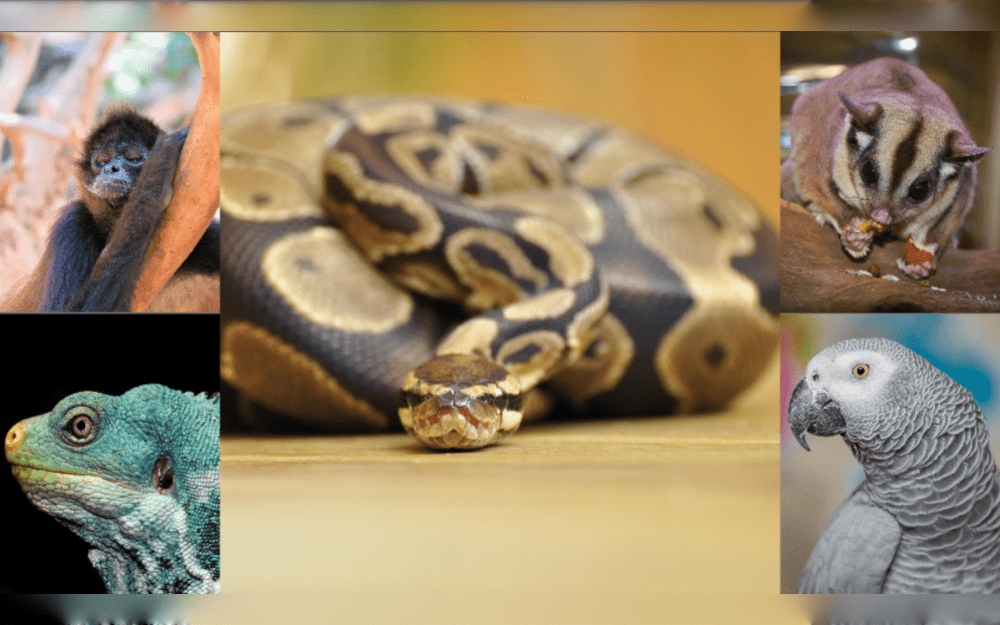
Small mammals and reptiles continue to be the most popular exotic pets.Over time, India has seen an increase in demand for exotic species. Indian consumers are prepared to spend lots of money for a variety of exotic animals, including African grey parrots, marmosets, sugar gliders, iguanas and other species.
In India, ownership of exotic species is tightly controlled by both national and international law.Keeping native birds is prohibited. It is illegal to own, trade, or breed Indian species.Exotic species include exotic turtles, iguanas, African grey parrots and others only permitted when properly imported, registered, and not in violation of the requirements of the Convention on International Trade in Endangered Species guidelines.
One of the main factors contributing to the extinction of species worldwide is the deadly illegal wildlife trade, which is fueled by the rising demand. Ecosystems start to break down as wildlife numbers decline, which has a direct effect on natural ecosystems.