



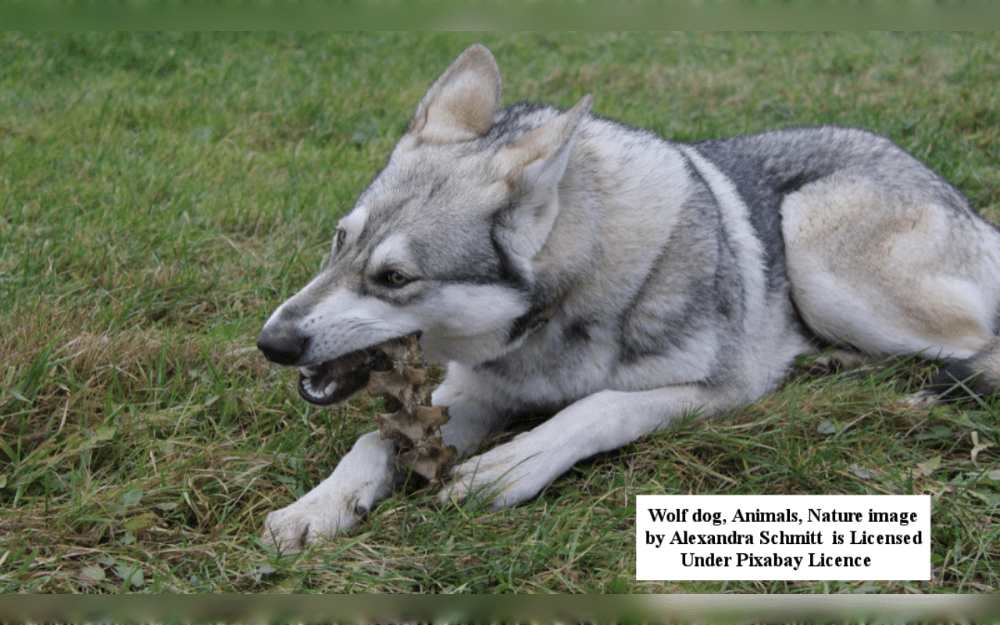
An animal that has some wolf and some domestic dog DNA is called a “wolf-dog,” not a “breed.” Several anatomical and behavioral characteristics are shared between dogs and wolves because they have a similar ancestry and nearly identical DNA.
Every single wolf-dog is unique. The degree of early socialization, the breeds of dogs like German Shepherd wolf mix, Siberian Husky, Alaskan Malamute and the proportion of wolves to dogs all influence their personalities and temperaments.
Wolf dogs are different from other dogs, even though they have similar genes and can breed with each other. As untamed creatures, wolves have honed the acute abilities necessary to hunt food, defend themselves from predators, and bear children.
Despite their physical resemblance to wild wolves, wolf dogs differ from them in both physical and psychological ways, which makes them more like domesticated dogs.
Wolfdogs are not and should not be regarded as pets, despite their current surge in popularity. There are many considerations that go into having these animals as pet, and they are not at all suitable for first time dog owner.However, if you as owner understand their actual nature and personality, they may be a wonderful and loyal companion.
According to experts,the amount of wolf DNA in each hybrid offspring can vary depending on the wolf-dog mix. Following genetic testing, wolf hybrids are classified as having low, mid, or high wolf content; 1 to 49% are classified as having low content, 50 to 74% as having mid content, and 75% or more as having high content. Mid- and low-content wolves are the favored choice since they are typically easier to teach and exhibit more dog-like personality qualities. Full-fledged wolves are really close to being high-content wolf hybrids.