



Kamran Reza Chowdhury/Dhaka
Bangladesh’s cabinet has approved a proposal to dilute the Digital Security Act, a minister said Monday about the law that critics worldwide have lambasted for its use to silence dissent, imprison critics and repress a free media.
The cabinet of Prime Minister Sheikh Hasina greenlighted a new draft law, the Cyber Security Bill-2023, to replace the DSA, and the bill will be introduced for passage in Parliament during its session next month, Law Minister Anisul Huq told reporters.
“The Cyber Security Bill has been framed to replace the Digital Security Act,” he said after a cabinet meeting chaired by Prime Minister Sheikh Hasina.
“The Cyber Security Bill has been sent to the legislative division under the Ministry of Law, Kustice and Parliamentary Affairs for vetting … Hopefully, we will place the bill for passage at the September session of parliament.”
The announcement comes as Bangladesh’s faces increasing international scrutiny in the run-up to a general election, including a recent call from the U.N. special rapporteur on human rights to scrap the Digital Security Law.
Huq was asked about what would happen to cases currently filed under the DSA, when and if Parliament passes the new bill. He said these cases would be disposed of under the new Cyber Security Bill-2023 after it is passed.
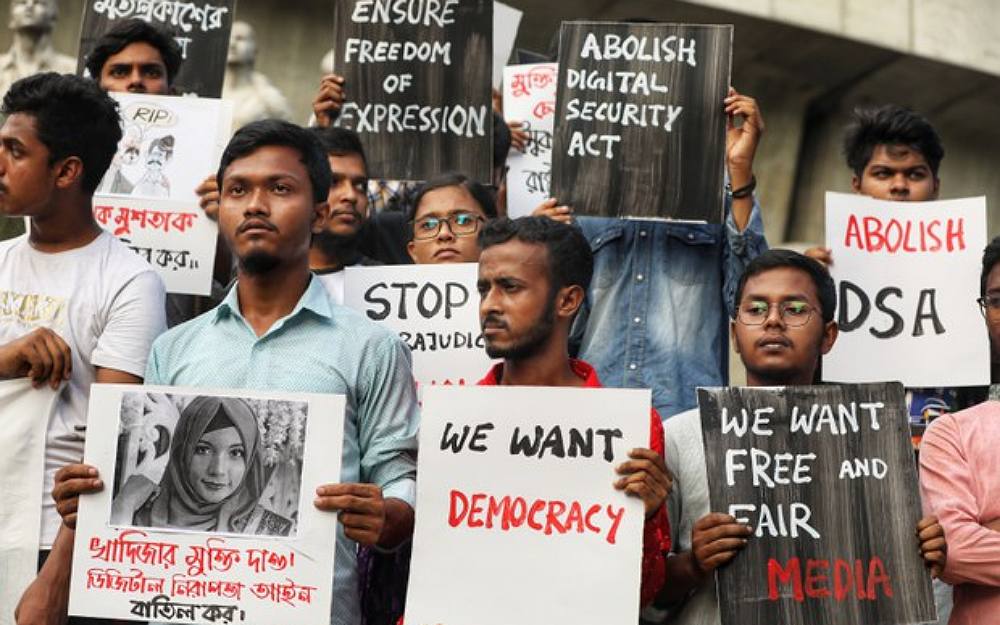
Several activists, including those who were thrown into jail under the law, claimed the government’s move to dilute law was a victory that resulted from their ceaseless protests and international pressure.
But some human rights groups were more guarded and said they preferred to wait and see the provisions of the bill, whose draft has not been made public yet.
The Digital Security Act, passed in September 2018 – the year Hasina’s Awami League returned to power for a third consecutive term – empowers law enforcement to arrest people without a warrant based merely on suspicion that a crime has been committed online.
More than 7,000 cases had been filed under the Digital Security Act since its enactment until Jan. 31 this year, the law minister told Parliament in June. Cases were filed for perceived online criticism of officials, including Hasina, and her father, the country’s founder, according to rights organizations.
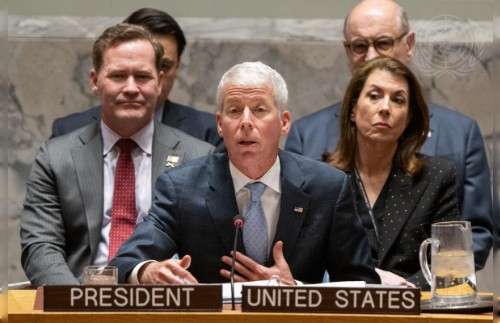
In April, the United States expressed concern to Bangladesh about threats and physical attacks against the media, including under the digital law, ahead of national elections, scheduled for December 2023 or January 2024. It called the act “one of the world’s most draconian laws for journalists.”
And in March, U.N. Human Rights chief Volker Türk called on Bangladesh to suspend the act immediately, saying he was concerned it was being used “to arrest, harass and intimidate journalists and human rights defenders, and to muzzle critical voices online.”
‘Act has not been scrapped’
Bangladesh’s law minister played down the reason for changing the act, saying the government had decided to “modernize and also stop the misuse and abuse” of the DSA, local news outlet The Daily Star reported.
“Here, I want to make one issue clear: the Digital Security Act has not been scrapped; we just changed it,” Huq told reporters.
“The title and many of the sections of the Digital Security Act will be changed. You will see those changes.”
He noted two changes in the Cyber Security Bill-2023.
Under the new bill, defamation will constitute a civil offense and not a criminal offense. Defamation will be punished with only a fine but no prison term.
“No journalist or any person will face a jail term for defamation suits,” Huq told BenarNews.
Under the Digital Security Act, defamation is a criminal offense and carries a prison term of three to five years, as well as a fine.
In the second change, Huq noted that the bill proposed lowering the maximum punishment for hurting religious sentiments to two years in prison, from five years under the DSA.
‘Moral defeat of the government’
The government’s move is an admission of defeat, according to Shafiqul Islam Kajol, a photographer who faces three cases related to alleged DSA violations for sharing a link on his Facebook page to a news story that criticized an MP.
“This is a moral victory for the activists and the victims who take to the streets to see the law scrapped. But we have paid a heavy price,” he told BenarNews.
“Even changing the Digital Security Act is a moral defeat of the government: this proves that it a black law, a draconian law used to gag the press and curtail the people’s constitutional rights of freedom of expression.”
Kajol said hundreds of innocent people had been languishing in jails on false charges of defamation under the Digital Security Act.
One activist, Hasant Qaiyum, of the Rastra Sangshkar Andolon, scoffed at the law minister’s statement that the act had not been scrapped.
“When a law is replaced with another fresh law with a new title, it means that the previous law is scrapped. But the government does not admit it for political reasons: they think a confession may mean their political defeat to the rights activists and the opposition groups,” he told BenarNews.
“The government has actually scrapped the Digital Security Act due to the pressure from the domestic rights activists and the international community, no matter whatever explanation the law minister gives in this case.”
He was still cautious though and said he was waiting to see the provisions of the new bill.
Rights watchdog Amnesty International said it welcomed the Bangladesh government move to “repeal the Digital Security Act (DSA).”
The watchdog said the act had been “weaponized by the ruling party and its affiliates to stifle dissent and thwart freedom of expression online.”
The government must “ensure that all stakeholders have sufficient opportunity to scrutinize and make recommendations on the proposed new law before it is enacted,” Amnesty said.
Meanwhile, Transparency International Bangladesh said it “cautiously applauded the cabinet’s decision to repeal” the act “in the wake of continuous demands by stakeholders.”
The group said in a statement that the new proposed law must not become a reflection of the Digital Security Act
“We have come to know from media sources that the honorable law minister has said that many sections of the digital security law will be added to the cyber security law,” the statement quoted Transparency International Bangladesh’s executive director as saying.
“That is where our fear lies.”
Copyright ©2015-2022, BenarNews. Used with the permission of BenarNews.