





Artificial intelligence is becoming a more useful instrument for identifying criminal activity and stopping illegal activity.To ensure safety, facial recognition technology has been widely used by law enforcement agencies across the world.AI technology helps with facial recognition optimization, video footage analysis, crowd monitoring, and surveillance.
AI-powered facial recognition technology improves the ability to compare recorded or real-time images from social media, surveillance footage, and other sources with a collection of image databases. Identification of criminal suspects, people of interest, and missing persons may be aided by this.
The use of artificial intelligence to recognize, validate, or authenticate people using their facial features is known as AI face recognition. As part of identity verification processes, the system employs machine learning algorithms to examine and contrast faces taken from pictures or videos with a reference, usually a database of known, stored faces or an official identification document.
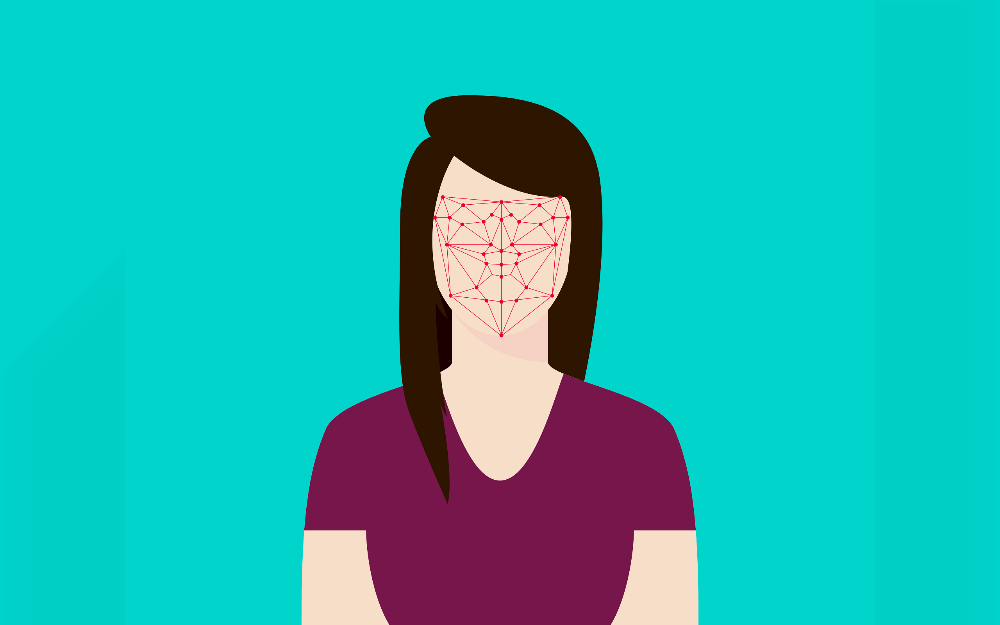
According to experts, face recognition is the process of analyzing an image or video frame, identifying the existence of a face, and extracting particular facial characteristics such the jaws’ shape, the jawline’s form, and the space between the eyes. To identify the person, these characteristics are then matched with those of previously saved faces.
Convolutional Neural Networks (CNNs) are used by contemporary facial recognition systems to increase accuracy and efficiency. AI-powered face recognition technology consists of two primary steps: data training and analysis.
Facial recognition makes it possible for CCTV that use video analysis and facial recognition software to produce and acquire images for a person’s biometric facial data so that they can be identified and authenticated using a database.