




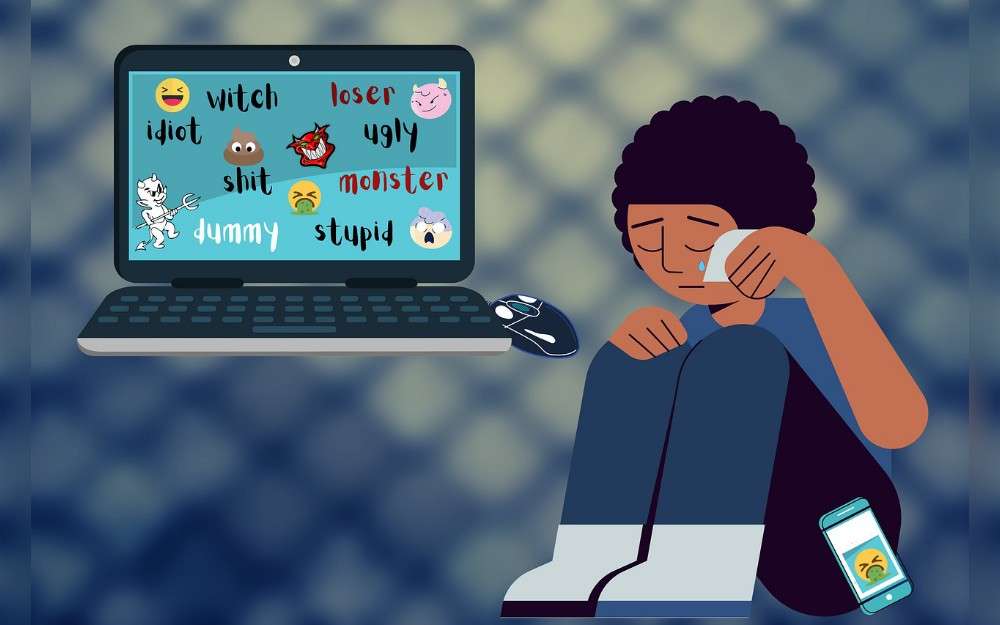

Any kind of harassment, intimidation, or harm done via digital platforms like social media, messaging apps, online gaming, or email is considered cyberbullying.
According to experts, the use of generative AI in online harassment and cyberbullying has increased.Online harassment powered by AI is particularly damaging. Hate speech generated by algorithms, voice-cloned calls, generative AI deepfake films, and bot-driven harassment campaigns are some of its manifestations.
As they appear so real, certain AI-generated content can be extremely deceptive, making it very difficult to distinguish between fake and real one.
Children can be bullied by generative AI in a number of ways, including: Using “bot” accounts to mass-report the victim to a digital platform for fictitious wrongdoing; creating fake social media profiles, fake audio or videos, offensive memes, or “deepfake” pornography; bombarding the victim with nasty automated messages or comments; and “sextortion,” in which the perpetrator threatens to release AI-generated “nudes” unless the victim provides money or real intimate photos.
AI algorithms scan posts, comments, and messages for threats, hate speech, and abusive language. These messages can be reviewed or deleted when they are flagged.Cyberbullying trends are detected by AI-powered systems that examine online interactions. Some apps use AI to alert parents in real time if their child is exposed to dangerous behavior or content.