



While fetch is a popular game for dogs, some cats also play fetch. Fetching might have developed from the innate hunting tendencies of dogs and cats, but it’s unclear how domestication changed it into the playful behaviors we see in our pets today.
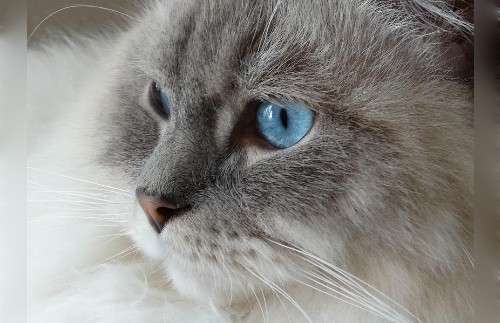
Data from online surveys of dog and cat owners was analyzed by researchers. Significantly higher than previous estimates, 41% of the more than 8,000 cat owners polled said their cat would occasionally, regularly, or always retrieve toys or objects they threw. While fetching is occasionally practiced by cats of all breeds, Burmese, Siamese, and Tonkinese cats are more likely to do so. These cat breeds are genetically different from other cat breeds because they were descended from cats that were brought to the Far East early in the domestication process.
According to the survey of around 74,000 dog owners, 78% of them reported that their dog would occasionally, often, or usually try to fetch sticks, balls, or other objects. It was found that dogs who are good at fetching also typically have higher trainability scores overall. There have been reports of fetching for the majority of dog breeds, but some breeds—such as Labrador and Golden Retrievers, English Cocker Spaniels, and Border Collies—are more probable than others.
This study estimates as quoted by Science Daily, the prevalence of fetching behavior in dogs for the first time. Also, it indicates that fetching is more prevalent in cats than previously believed. According to the authors, the findings imply that fetching is more closely associated with play than predation, despite the fact that it has numerous parallels to natural hunting behavior. This may have also been the case for fun fetching behaviors that would have taught wild animals to hunt, as the domestication process selected for many juvenile habits to be maintained into maturity.