



From our Archive
Paul Alexander
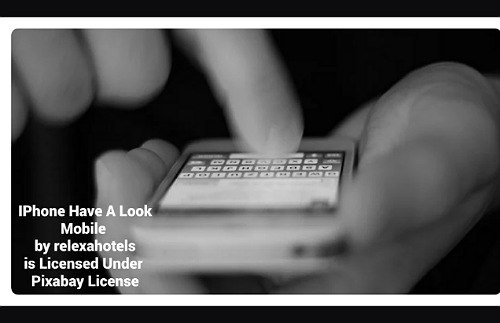
Filipinos tapped out text messages on their cellphones to mobilize protests against President Joseph Estrada. The effort mushroomed within hours into a “people power”
That was 2001. Since then, technology has created increasingly powerful smartphones that can link to the internet, provide instant access to news and connect people through social media.
In response, authorities in some countries are waging a battle to control what their people see and hear, with the goal of limiting dissent and heading off more “people power” takeovers.
“At first, it was journalists who were being threatened, it was media being suspended,” said Arnaud Froger, head of the Africa desk at Reporters Without Borders. “But now the authorities are preventing information from being spread on the internet.”
It’s a clear attempt to silence critical voices and critical information,” Froger told VOA’s English to Africa service.
From China to Africa to Russia to the Middle East, countries have used national security as justification for passing vague laws against “inciting against public order” or even just spreading gossip. They have persuaded sites like Facebook and Google to take down content that they consider offensive.
Many countries have created their own strong web presences, both to ensure their messages get out and to monitor for anything remotely resembling criticism.
In Pakistan, bloggers have been kidnapped, allegedly by security forces, and tortured, with the purpose of intimidating them and others against criticizing the government. Vietnam has established a 10,000-strong military cyberwarfare unit to counter “wrong” views on the internet and collect data on government critics.
Saudi Arabia has arrested dozens for spreading dissent. Activists abroad have had their Facebook accounts deactivated for reporting on alleged Saudi war crimes against Yemen.
China allows only local internet companies operating under strict rules. And in North Korea, internet access essentially doesn’t exist for the general populace.
Bypassing restrictions
The restrictions have sparked a cat-and-mouse game for those seeking to get around restrictions. VPNs (Virtual Private Networks) have provided one avenue by masking the user’s identity and location. In response, several countries have banned them.
From China to Africa to Russia to the Middle East, countries have used national security as justification for passing vague laws against “inciting against public order” or even just spreading gossip. They have persuaded sites like Facebook and Google to take down content that they consider offensive.

Encrypted applications like Telegram have been banned in Iran and elsewhere. Several African countries, including Uganda, Rwanda and Tanzania, have imposed taxes on internet and social media use — even remittances from overseas relatives — or ordered websites to purchase expensive operating licenses.
“We are actually very much concerned,” Froger said. “It’s as if countries in central, eastern and southern Africa were involved in a race to restrict access to the internet in general and social media in particular.
“Journalists and citizen journalists are actually very much affected by this as they very often use Facebook to post articles and use Whatsapp to communicate with their sources.”
More protests
But in a sign of how much people have become dependent on the internet and social media, anger has started to bloom into legal action and the very protests that their governments have been trying to prevent~VOA